Writing
-
dark peace: worship the rot
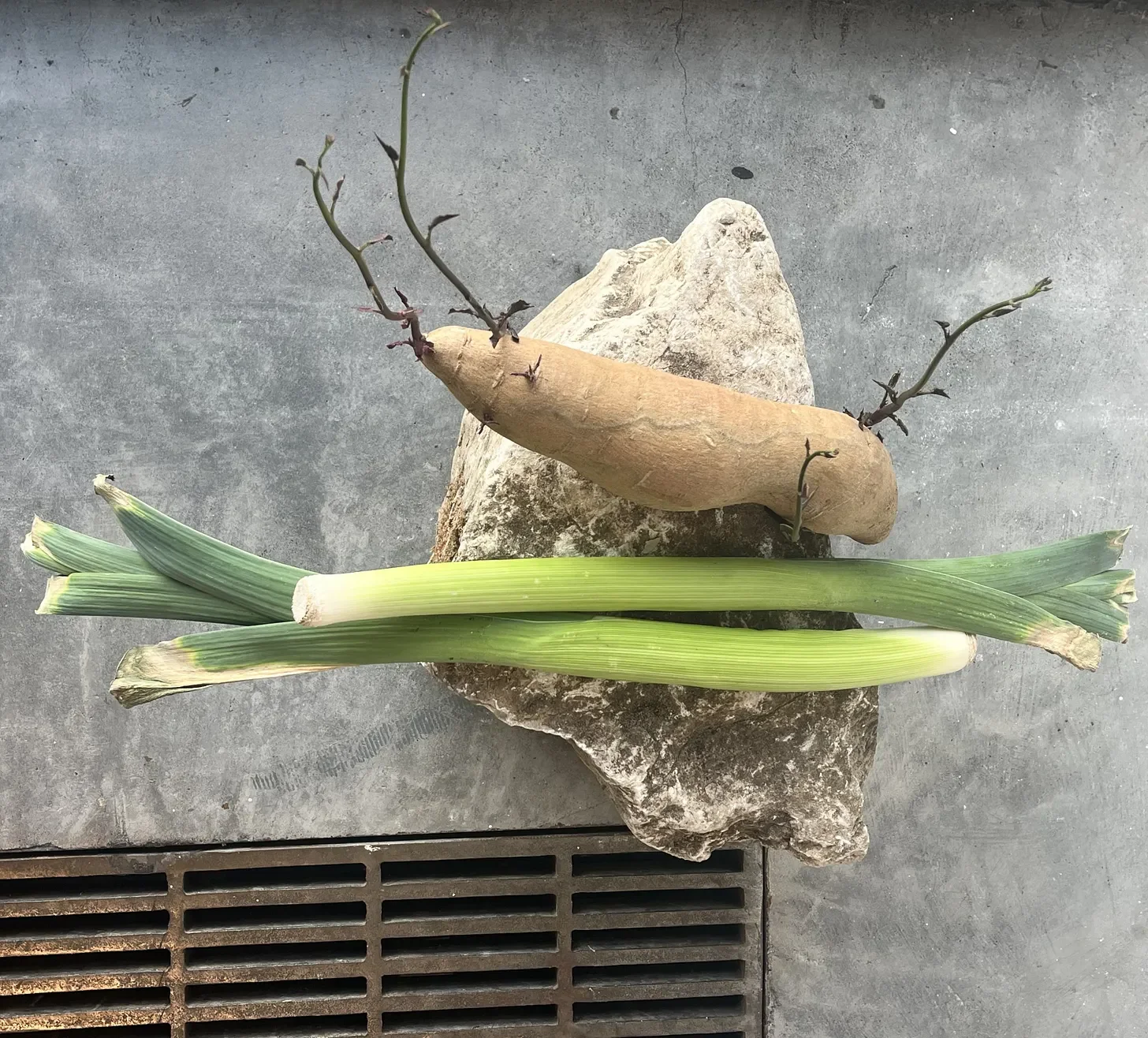
I walked toward one of the shrines: a ruddy yam with slips shooting up, an orange fuzzy and malleable, a sturdy white onion with papery skin, a brittle stem of eucalyptus. All perched on jagged, ancient rock. Without thought, I laid down my bag, slowly crouching into a squat. Waiting to see the magic.
-
dark peace: stargazing into the abyss
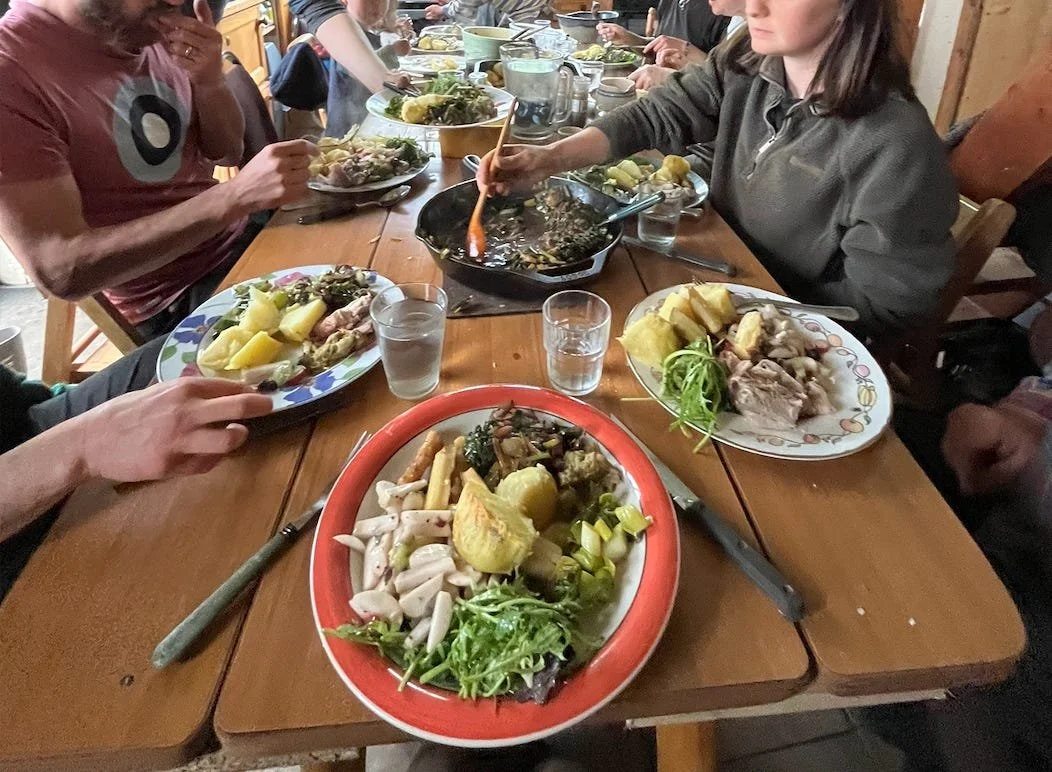
Above us, more stars than I’ve ever seen—a realization that makes me briefly melancholy, then giddy again. Below us, a cushion of overgrown grass, completely dry after weeks without rain—an unfamiliar but increasingly common reality for the Irish.
-
dark peace: "I'm experiencing joy right now."
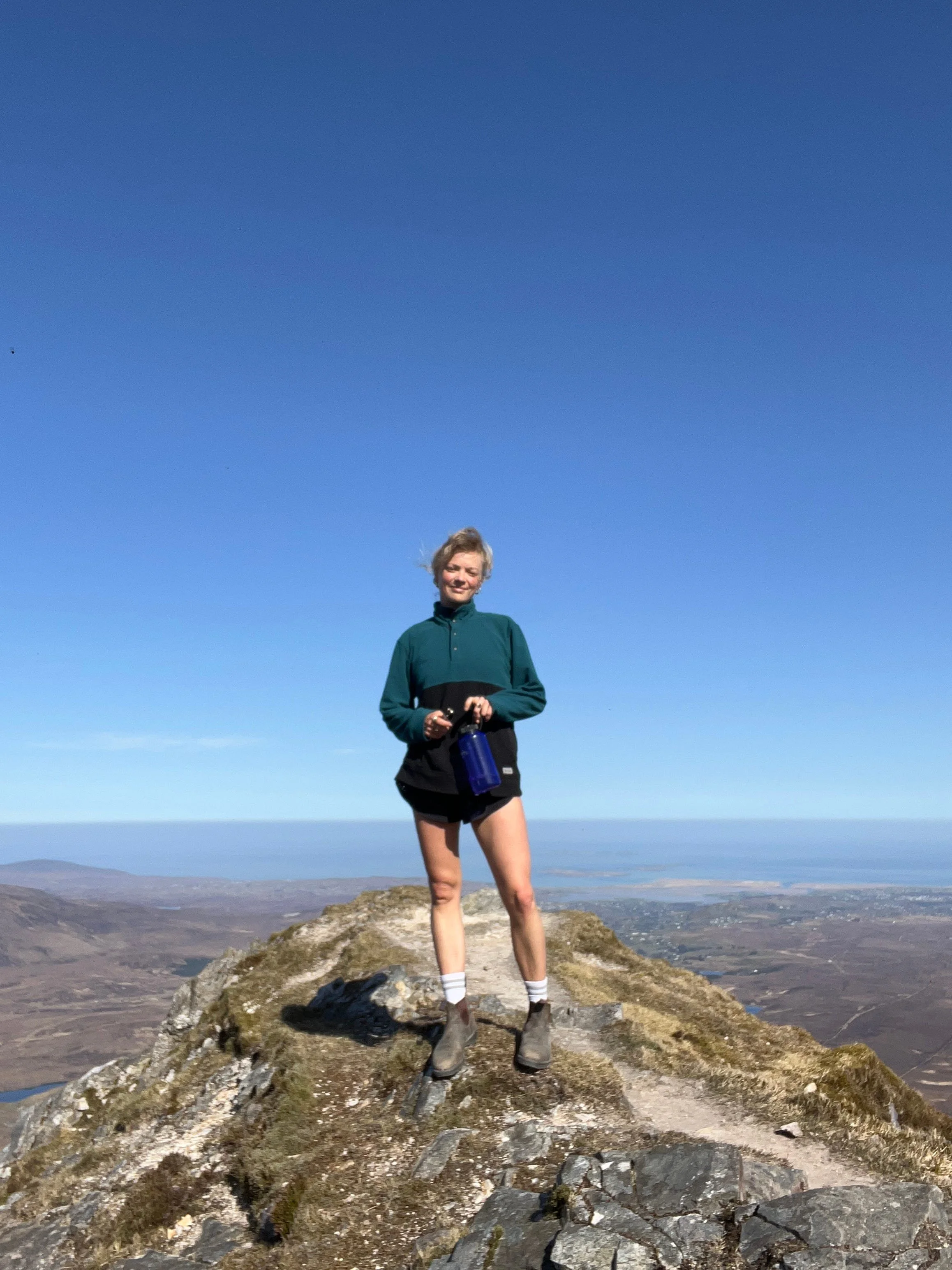
For over a decade, we’ve shared what we call these “god moments” with each other, our conversations and text chains a growing repository of proof of life’s abundance, beauty, and meaning.
-
dark peace: the germinating game
Witnessing their shared joy for each other, for Dan’s son, and for the winding road that united them all, is a salve. I don’t hear them speak of time wasted, time lost. They are together, now, and that’s all there is.
-

dark peace: tunnel vision
Beyond me, all of this beauty to ponder, to celebrate. I rest there on my knees, as if in prayer.
-
dark peace: meanwhile...
Each of us comes from a culture or lineage rooted in reverence for the earth, proven through our collective ancestors’ lifestyles, ceremonies, and world views. For many, that divine connection to the land was severed—by force, by choice, by both.
-
Substack Newsletter: dark peace
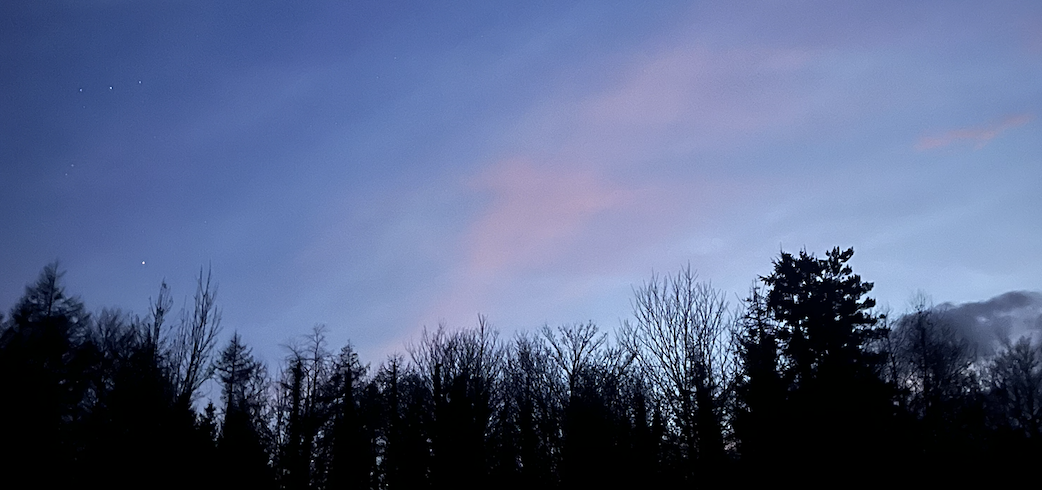
Sheila’s weekly newsletter dark peace examines the relationship between climate change, land stewardship, and cultural identity, as well as the urgent, brave practice of devotion in the face of our ecological crisis.
-

The Golden Rule: Caring for Parks Amidst the Climate Crisis
Historic rainstorms are sure to make headlines—and for good reason—but plenty of other climate-related stories hide in plain sight. From the spread of invasive species like porcelain berry, lesser celandine, and Japanese knotweed in the Park’s woodlands to the growth of harmful algal blooms in the Park’s water bodies, Conservancy staff sees the result of warming weather first-hand. Maybe more so, we can feel it.
-

Seneca Village Hub Page
In recent years, the Conservancy has undertaken a major effort to conduct new research on Seneca Village and also share its history within the physical landscape of the Park. To create this hub of resources, she audited, copyedited, organized, and reformatted all Seneca Village web content into one user-friendly page.
-
A Place Where Hope Blooms: The Healing Nature of the Conservatory Garden
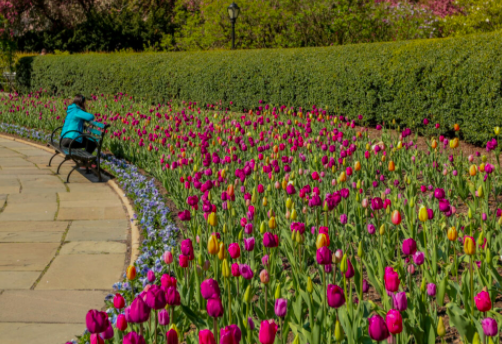
Smiling under her mask, [Diane] graciously thanked her small-but-mighty crew, presenting two homemade apple pies she had baked the night before. Each awaiting their turn, the planters approached the makeshift table for a slice of the pie, a brief sense of normalcy amidst what has been a trying year. The Garden, as always, provided that space.
-

Dr. Carolyn Finney on the Great Outdoors, Environmental Racism, and Finding Joy Through Storytelling
As our country reckons with the historical and modern-day implications of racism, Carolyn asks her readers to consider how public spaces are affected by this too. Parks provide a sense of community and benefit our physical and mental health, but they aren’t experienced or accessed equally. Carolyn asks “which public” gets to enjoy these benefits, and how we can collectively re-create spaces for everyone.
-

Springtime Guide to Central Park's Cherry Trees
Springtime in Central Park is simply stunning, and no celebration would be complete without a proper nod to the Park’s flowering cherry trees. From Yoshinos to Kwanzans to Higans, our official Conservancy guide showcases the best blooms to behold as the weather warms up.
-
A Growing Challenge: Harmful Algal Blooms in Central Park
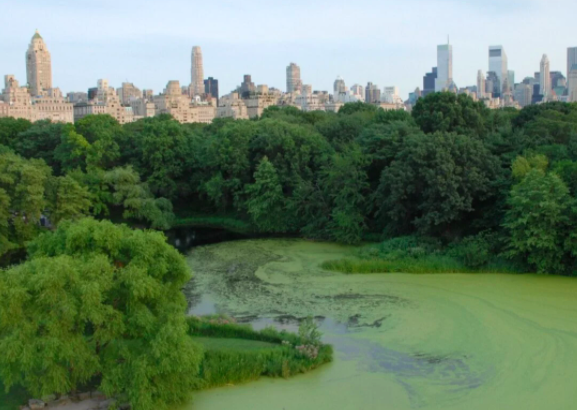
Increasing global temperatures due to human-caused climate change, a rise in pollution, and a build-up of nutrients in run-off water have caused harmful algal blooms to be a growing problem around the world.
-

From Central Park to Central Mexico: The Great Monarch Butterfly Migration
These summer months spent in the Park are essential, as monarchs are fueling up for their next migration south and doing the important work of pollination. Pollination refers to the transfer of pollen between male and female plants, enabling the fertilization and production of seeds. An essential evolutionary process, pollination is largely dependent on the birds, bats, bees, and butterflies—or pollinators—that act as vectors between plants.
-

Navigating the future of solar: Insights on 2024 trends
Legislative incentives, including federal tax credits, are playing a vital role in propelling the growth of solar storage. Similarly, the changes brought about by NEM 3.0 are creating increased demand for storage solutions—they offer a way to optimize energy savings under the new utility rate structures.
-

TL;DR: An overview of 2023’s solar industry macro trends
Of course, to get to (and past) peak fossil fuel, we need to intentionally electrify, well, everything. That means fossil-fuel-free cars, home heating systems, kitchen appliances, and more. The whole home electrification movement took a huge step forward in 2023, but is it just us in the renewable energy business that are interested? Increasingly, studies say it’s not.
-

A Need for Trees: How Central Park Cools the (Urban Heat) Island of Manhattan
Through a process called transpiration, trees absorb rainwater through their roots, which is transported to their leaves and released as water vapor. The release of this vapor, as well as the shade that a tree’s leafy branches create, lowers the temperature of the surrounding air.
-

Sprucing Up the Place: The Evergreen Trees of Central Park
The Park’s evergreen trees serve as a reminder of nature’s steady splendor, even in the darkest, coldest months. As constant in their commitment as these trees are in their beauty, Conservancy staff are ready for the year ahead. “In all seasons, this Park is so scenic,” says Jamie. “It’s been amazing to work in such a beautiful place.”
-

A Park Lover's Guide to Visiting Central Park
A healthy Central Park means a healthy New York City, and with a little bit of preparation and intentionality, you can enjoy one of the busiest parks in the world while keeping it beautiful, accessible, and thriving for all. Before your next visit, scan this list, explore our website, and check in with your friends to get on the same stewardship page.
-

Flying in Plain Sight: The Bats of Central Park
While bats are good at flying under the radar, their positive impact can still be seen clearly in Central Park. Like birds, butterflies, and bees, bats too are pollinators, helping to distribute pollen and fertilize the Park’s thousands of plants, flowers, and trees. Bats also help to spread seeds through their droppings, which helps with natural ecosystem regeneration.
-

In Conversation with Author Florence Williams on the Benefits of Nature
While our visitors lovingly refer to the Park as their respite, sanctuary, and oasis, there’s actually a science to what makes greenspace feel so good. The experience of Central Park—from the sounds of rustling leaves and chirping birds and the details of rippling water and swaying plants to the scenes of large open meadows and woodland glades—has a profound effect on our mental health, and even more so, our sense of belonging.
-

Which Central Park Performer Are You?
We all like to dream big, but for many famous musicians, performing in Central Park has been a dream come true. As the Central Park Conservancy staff keeps the Park running smoothly during summer concert season, we have to ask...which historic Central Park performer would you be? Take our quiz to find out.
-

Which Autumn Tree Are You?
These trees show lots of personality during this seasonal change—almost as much as our Park visitors. So while the Central Park Conservancy staff gears up for lots of raking ahead, we have to ask: which Central Park tree would you be? Plant yourself somewhere comfortable, leaf your cares aside, and branch out into the unknown by taking our autumnal quiz (sorry, we had to).
-

A Guide to Summering Safely in Central Park
Is the water safe to drink? Absolutely. The Department of Environmental Protection conducts over 600,000 tests of New York City's water each year to make sure it meets (or exceeds) all state and federal health standards. You’ll see blue stickers on the drinking fountains that let you know the water has been tested and approved.